The dust has settled from the CVSA International Roadcheck. However, if you think the scales are taking a break, think again. August brings the peak of summer heat and an influx of late-summer freight. This makes DOT roadside inspections a top priority for enforcement blitzes across the United States.
FMCSA roadside inspections are evolving rapidly. Furthermore, new 2026 mandates are in full swing. Therefore, DOT officers heavily scrutinize commercial motor vehicles (CMVs). You might haul Dry Van, Flatbed, or Step Deck freight. Regardless, avoiding an Out-of-Service (OOS) order is critical. Ultimately, it protects your safety, your CSA score, and your paycheck.
Below is a breakdown of the latest truck safety violation trends. Specifically, we cover exactly what DOT inspectors target this late summer.
1.Heat-Stressed Brakes and Tires
August temperatures put immense strain on your equipment. Naturally, inspectors know this fact. During late summer, Level 1 and Level 2 inspections heavily focus on heat-stressed components.
Tire Violations: Blowouts and tread separation are major concerns right now. For example, inspectors check actively for under-inflated tires and exposed fabric. Also, they verify minimum tread depth (4/32 inch on steers, 2/32 inch on drives).
Brake Fade: The CVSA found a recurring trend. Brake system violations consistently rank as the top reason for OOS orders. Therefore, you must ensure your pushrod travel stays within limits. Moreover, check that air lines avoid chafing and slack adjusters have proper calibration.
Pro Tip for 2026: If you’re running heavy Flatbed or Step Deck loads through the Midwest, brake checks are especially rigorous at weigh stations on I-80 and I-90. Don’t skip your pre-trip brake tests.
2. Cargo Securement on Open Deck Trailers
Cargo securement remains an evergreen target. Currently, the 2026 construction boom drives heavy flatbed freight. Consequently, DOT officers pay extra attention to load limits and tie-downs.
WLL (Working Load Limit): Inspectors actively calculate aggregate working load limits. Thus, you must ensure your chains, straps, and binders have the correct rating for your cargo weight.
Edge Protection: Another major focus this late summer involves missing edge protection. For instance, straps might run over sharp metal edges without V-boards. If so, officers will cite you immediately.
Damage Check: Any cuts, burns, or snags on nylon straps serve as red flags. Therefore, inspect them daily.
3. Strict Enforcement of English Proficiency
CDL compliance has seen a significant shift in 2026. Specifically, officers now rigidly enforce the FMCSA English language requirement.
Recent state-level blitzes changed the landscape completely. Consequently, DOT officers actively test a driver’s ability to communicate effectively. During a roadside inspection, you must be able to do the following:
Converse in English well enough to understand officer instructions.
Read and explain your Bill of Lading (BOL).
Discuss your ELD logs and hours of service clearly.
Answer basic safety and equipment questions.
Failing this test triggers an immediate citation. Moreover, it can cause an OOS order for the driver.
4. ELD Logs and Hours of Service (HOS)
The freight market tightens as we approach Q3. As a result, some drivers try to push their HOS limits. However, the FMCSA cracks down hard on logbook manipulation.
Personal Conveyance Abuse: Sometimes drivers use “Personal Conveyance” (PC) status to advance a load. Other times, they use it to find better parking after their 14-hour clock expires. Currently, this action is a massive target for inspectors.
Unassigned Driving Time: You must account for all driven miles. If an inspector finds unassigned driving segments on your ELD, it triggers a deeper audit.
How to Protect Yourself and Avoid OOS
Staying ahead of the DOT inspection checklist requires a proactive approach. Here is how you can protect your CSA score:
Do thorough Pre-Trips: Catch the problem before the DOT officer does. Ultimately, this is the best defense.
Keep Paperwork Spotless: Organize your CDL, medical card, registration, IFTA, and ELD manual. Furthermore, keep them easily accessible in a neat binder. Handing over organized paperwork immediately sets a positive tone.
Partner with a Driver-Focused Carrier: You need a carrier that invests in late-model equipment. Additionally, they should handle maintenance promptly and respect your Hours of Service.
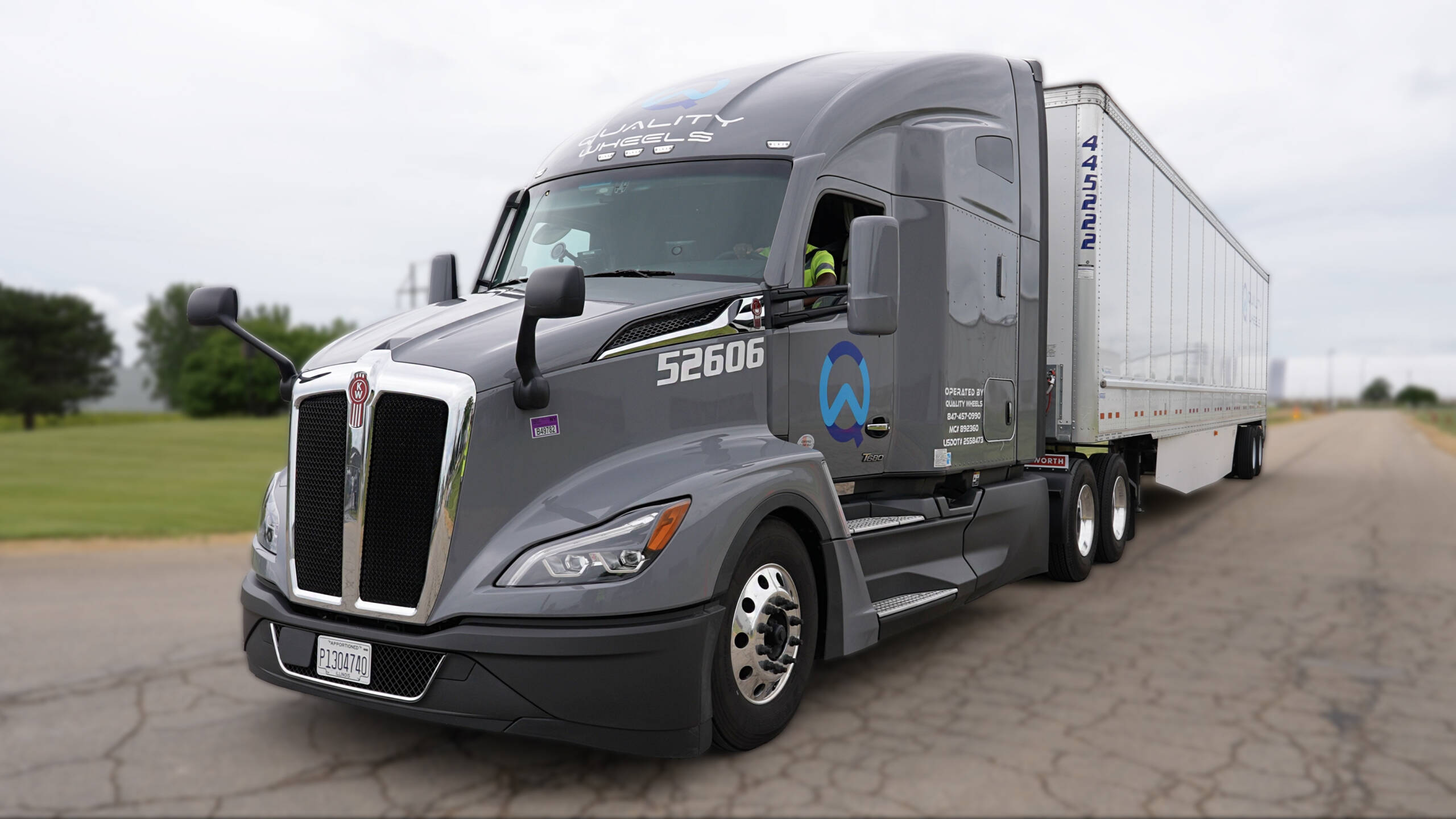
At Quality Wheels Inc., we meticulously maintain our Chicago-based fleet. For example, we provide premium-spec Dry Vans and top-tier Flatbeds. Consequently, we give our drivers the safest equipment on the road. If you are looking for a reliable partner, explore our Quality Wheels Careers page to join a team that values your safety and success.