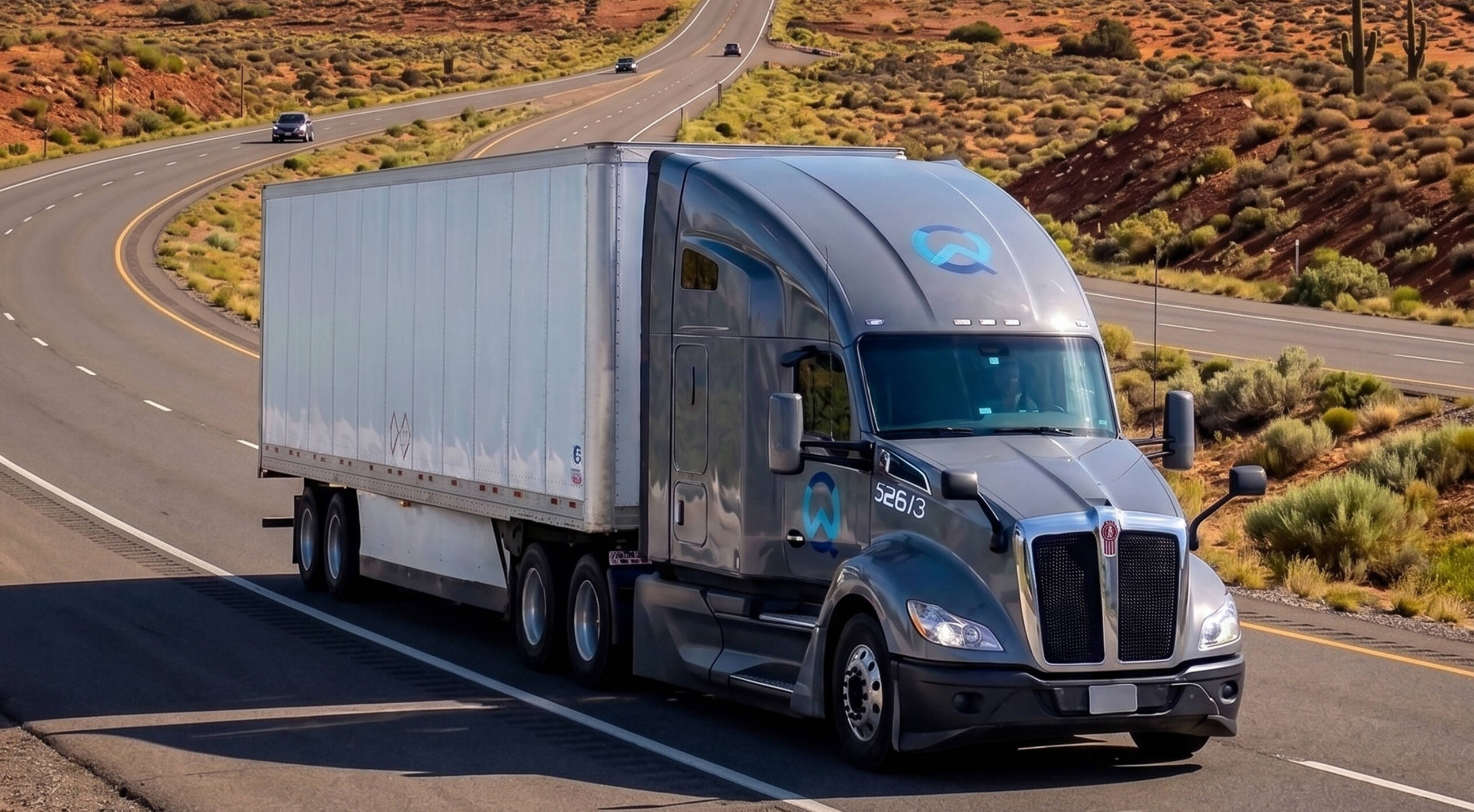
The US freight market is facing a historic pressure test. Driven by ongoing geopolitical tensions ,including global supply chain disruptions and recent international conflicts, diesel prices have skyrocketed to unprecedented levels. With the national average pushing past $6 per gallon and some states like California seeing prices top $8, the economics of moving freight are changing by the minute.
For the US trucking industry, fuel is no longer just an operating expense; it is the ultimate deciding factor between staying in business and shutting the doors.
The Breaking Point for Smaller Carriers
The immediate impact of the 2026 fuel crisis is a massive contraction in the market. When it costs upward of $1,200 to $3,000 to fill up a single semi-truck, profit margins for independent owner-operators and smaller fleets vanish instantly.
Many small-to-mid-sized trucking companies are discovering that current spot market rates are simply not enough to cover the surging cost of diesel. This imbalance has triggered a wave of industry consolidation:
Smaller fleets are reducing their truck counts or exiting the industry entirely.
Drivers are leaving the business due to financial instability.
Carriers are being forced to reject loads in states with heavily inflated fuel costs.
As trucking companies close or reduce capacity, the inevitable result is a tightening of the freight market, which will ultimately translate into higher prices for consumer goods across the board.
Efficiency and Fleet Maintenance: The Only Way Forward
With no immediate relief in sight for diesel prices, surviving carriers are shifting their entire operational focus toward fuel efficiency. While companies cannot control the price at the pump, they can control how effectively their equipment burns that fuel.
Industry leaders are adapting through several strategic shifts:
Strict Route Optimization: Eliminating deadhead miles and refusing unprofitable lanes.
Driver Habit Adjustments: Training drivers to reduce idle times and maintain optimal highway speeds.
Aggressive Fleet Maintenance: A poorly maintained diesel engine can drastically reduce fuel economy. Regular DOT inspections, timely computer diagnostics, and proactive engine repairs are no longer just safety measures—they are critical financial strategies to squeeze every possible mile out of a gallon of diesel.
What This Means for the Supply Chain
The trucking industry isn’t going anywhere; virtually every product in the United States spends time on a truck. However, the carriers that survive this 2026 fuel crisis will be the ones that run lean, prioritize rigorous fleet maintenance, and partner with reliable truck repair shops to minimize downtime and maximize MPG.
For shippers and consumers, the reality is clear: transportation costs will rise. But by working with resilient, well-maintained logistics fleets, the supply chain can continue to move forward, even in the toughest economic climates.